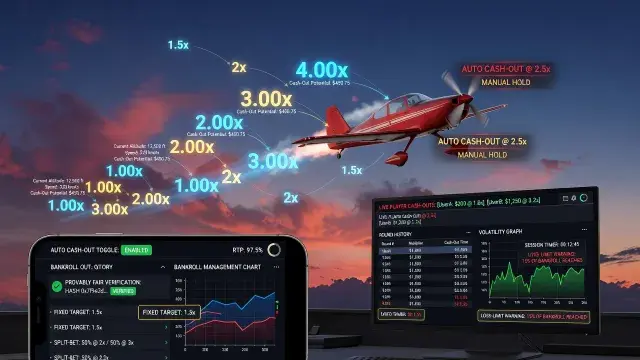
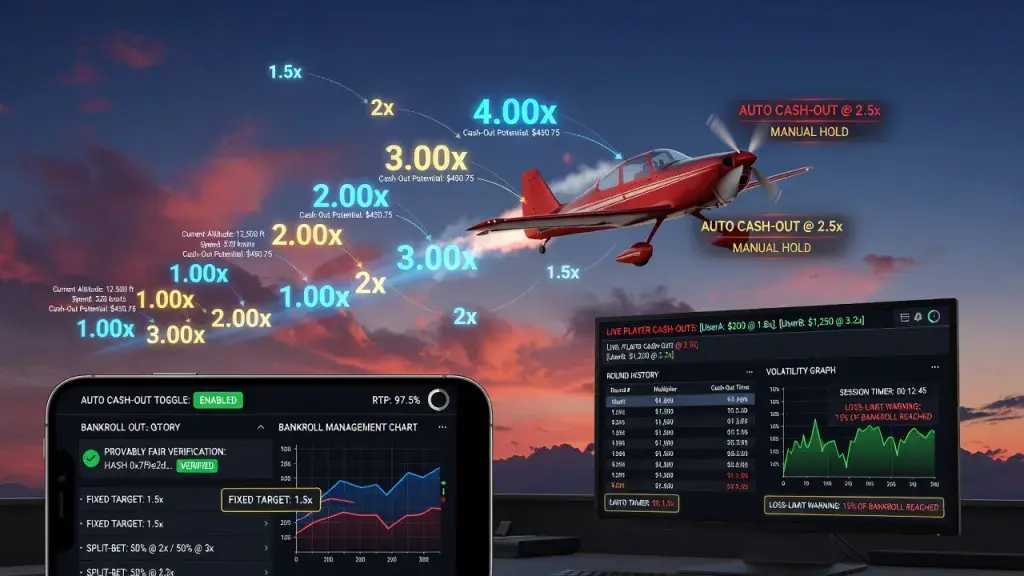
A plane takes off, the multiplier climbs, and somewhere between 1.2x and 4x, most players cash out too early or wait too long and lose everything. That single decision - when to pull the trigger - separates casual players from those who consistently walk away with profit. Aviator-style crash games have turned this simple mechanic into one of the most played genres in online betting, and the difference between a mediocre platform and the best aviator game often comes down to details players overlook.
Fairness verification, payout speed, round transparency, and how a platform handles peak-traffic lag all shape the actual experience, not just the marketing around it. Choosing where to play matters as much as how you play, and if you're comparing platforms before committing real money, it's worth checking which aviator game is best according to independent breakdowns of licensing, RTP, and withdrawal reliability. Skipping this step is how players end up on unregulated sites with rigged crash points.
This piece breaks down the top aviator games worth your time, what actually makes a version highly rated versus just heavily advertised, and the strategic thinking that turns random betting into a disciplined approach. Expect concrete comparisons, not vague praise.
What Makes an Aviator Game Worth Playing
Not every crash game deserves the "aviator" label just because it copies the plane-and-multiplier format. The original mechanic is deceptively simple: a round starts, a multiplier rises from 1.00x, and it can crash at any moment. Players decide when to cash out before that happens. What separates a well-built version from a clone is the engineering behind the randomness and how transparently it's presented.
Provably Fair Mechanics Explained
A provably fair system lets players verify, after the fact, that the crash point wasn't manipulated in favor of the house beyond the stated edge. This typically involves a cryptographic hash generated before the round starts, which players can check against the outcome. Platforms that skip this verification layer are asking for blind trust, and blind trust has no place in a game built entirely around probability.
RTP and Volatility Differences
Return-to-player percentages in aviator-style games generally sit in a range comparable to other online casino products, but volatility is where versions diverge sharply. Some builds are tuned for frequent small multipliers, rewarding cautious cash-outs. Others allow longer stretches before a crash, tempting players to chase bigger multipliers at higher risk. Understanding which volatility profile a game uses changes how a strategy should be built around it.
User Interface and Round Speed
Round length matters more than players expect. A game with rounds that resolve in under ten seconds forces rapid decisions and can lead to impulsive cash-outs. Slower-paced versions give room for calculated waiting. The best aviator game platforms balance speed with clarity, showing live multiplier data, other players' cash-out points, and betting history without cluttering the screen.
Top-Rated Aviator Games Compared
Ranking aviator games isn't just about visual polish. It comes down to licensing credibility, payout consistency, and how the platform handles high-traffic periods without freezing or lagging at critical moments - exactly when a player is trying to cash out.
Feature Comparison Across Leading Platforms
When comparing top aviator games, a few factors consistently separate the reliable from the risky:
- Licensing from a recognized gaming authority, not a self-issued certificate
- Independently audited RNG and crash algorithms
- Minimum and maximum bet flexibility suited to different bankrolls
- Auto cash-out functionality for disciplined, hands-off play
- Mobile responsiveness without input lag during volatile rounds
Which Games Suit Beginners vs Experienced Players
Newer players benefit from platforms offering demo modes or low minimum stakes, letting them observe multiplier patterns without financial pressure. Experienced players tend to gravitate toward versions with higher volatility and larger maximum multipliers, since their strategies often involve fewer, larger bets rather than frequent small ones. A highest rated aviator game for a beginner isn't necessarily the same one an experienced bettor would choose.
Real Money vs Demo Mode Considerations
Demo modes are useful for learning interface mechanics but don't replicate the psychological pressure of real money on the line. Players who train exclusively in demo mode often overestimate their patience once actual funds are at risk. A short transition period with small real bets tends to produce more honest strategy calibration than extended free play.
Aviator Game Strategy Tips for Consistent Play
Strategy in a crash game isn't about predicting the unpredictable - the multiplier's crash point is random by design. It's about managing exposure, timing, and emotional discipline so that variance doesn't wipe out a bankroll before the math evens out.
Bankroll Management Fundamentals
Setting a fixed session budget before playing, and sticking to it regardless of a hot or cold streak, is the single most reliable predictor of long-term sustainability. A common approach is risking no more than two to five percent of total bankroll per round, which absorbs losing streaks without forcing a player to chase losses with larger bets.
Cash-Out Timing Techniques
Some players use a fixed target multiplier - cashing out at 1.5x or 2x every round regardless of how high the multiplier climbs afterward. Others use a split-bet approach, cashing out half their stake early and letting the rest ride for a higher potential multiplier. Both methods reduce the emotional whiplash of watching a multiplier crash seconds after deciding to wait longer.
Recognizing and Avoiding Tilt
Tilt - the tendency to increase bets impulsively after a loss to "win it back" - destroys more bankrolls than bad luck ever does. Recognizing the signs early, like increasing bet size without a clear reason or ignoring a pre-set stop-loss, allows a player to step away before a single bad session turns into a wipeout.
How to Choose the Best Aviator Game for Your Playstyle
Matching a platform to a personal risk tolerance and playing rhythm matters more than chasing whichever version currently has the most marketing buzz.
Matching Game Volatility to Risk Tolerance
Conservative players should favor lower-volatility versions with frequent, smaller multiplier crashes, since these align with cash-out strategies targeting modest, consistent gains. Aggressive players who can tolerate longer losing streaks in pursuit of rare high multipliers should look for platforms explicitly built around higher volatility profiles.
Platform Reputation and Licensing Checks
Before depositing anywhere, checking for a valid gaming license, reading independent player reviews on payout speed, and confirming the platform discloses its RNG audit results are non-negotiable steps. Skipping this vetting process is the most common reason players end up disputing withdrawals later.
Mobile vs Desktop Experience Differences
Mobile play introduces touch-input delay that can cost a fraction of a second during cash-out - often enough to matter in a fast-crashing round. Desktop players generally report tighter control during high-multiplier waits, which matters more for aggressive strategies than for conservative, early-cashout approaches.
Common Mistakes That Ruin Aviator Game Sessions
Even players with sound strategic knowledge can undo their progress through a handful of repeated behavioral errors.
Chasing Losses After a Crash
Doubling a bet immediately after a crash to recover the previous loss ignores the fact that each round is statistically independent. The previous crash has no bearing on the next one, and treating it as "due" for a big multiplier is a costly misunderstanding of randomness.
Ignoring Auto Cash-Out Settings
Manual cash-out relies on reaction speed and focus, both of which degrade over long sessions. Auto cash-out settings remove the human delay entirely, locking in a target multiplier the instant it's reached, which is particularly valuable during fast-paced rounds or when fatigue sets in.
Playing Without a Predefined Exit Point
Entering a session without deciding in advance when to stop - whether by profit target, loss limit, or time played - is how short sessions turn into extended, costly ones. A predefined exit point, decided before the first bet, removes the temptation to keep playing "just one more round."
Frequently Asked Questions
Is there a guaranteed way to win consistently at aviator games?
No. The crash point is generated randomly each round, and no strategy overcomes the built-in house edge over the long run. Strategy tips reduce variance and protect bankroll, but they don't guarantee profit in every session.
What's a reasonable starting bet for a new player?
Starting with one to two percent of a total session bankroll per bet allows enough rounds to learn the platform's rhythm without risking significant losses early. Increasing bet size should only happen gradually, based on a clear, pre-set plan rather than momentary confidence.
How do I know if a platform's crash results are legitimate?
Check for provably fair verification tools, independent RNG audits, and a licensing body listed on the platform's footer or terms page. If none of these are visible or verifiable, treat the platform with caution regardless of how polished its interface looks.
Do auto cash-out tools reduce winnings compared to manual play?
Not inherently. Auto cash-out simply removes human reaction delay, locking in the target multiplier precisely rather than a split second later or earlier. For disciplined strategies with a fixed target, it often performs better than manual clicking.
Are higher volatility aviator games better for bigger payouts?
They offer the potential for larger multipliers, but with longer stretches between wins and steeper losing streaks. Whether that trade-off suits a player depends entirely on their risk tolerance and bankroll size, not on any inherent superiority of the format.
How much time should a single session last?
Session length should be capped in advance, both by time and by a loss or profit threshold, rather than left open-ended. Extended sessions increase fatigue-driven mistakes, which is one of the most overlooked risks in crash-style betting.